 Reviews

 Proudly American
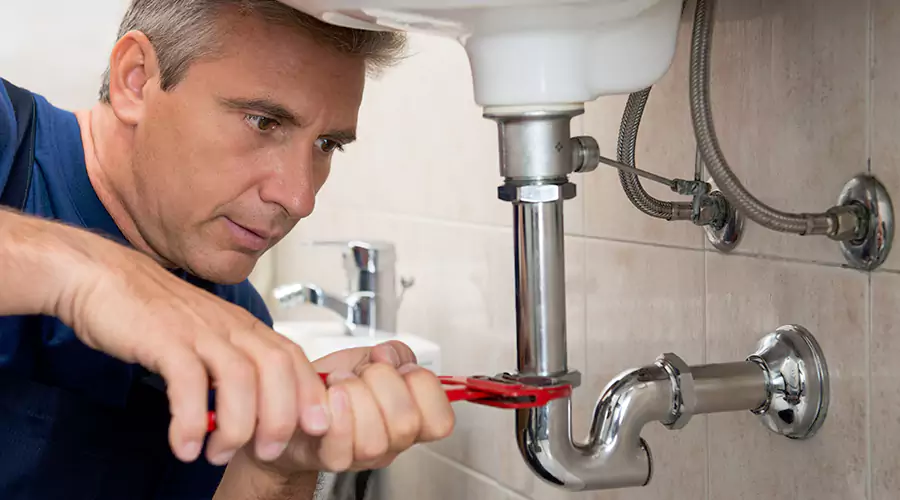
A leaking pipe can go from a small drip to serious water damage quickly. The key is acting in the right order: stop the water, reduce pressure, dry the area, then choose the best repair based on where the leak is and what the pipe is made of. This guide covers quick emergency fixes you can do today, and longer lasting repairs that keep leaks from coming back.
First, Stay Safe and Limit Damage
Before you touch anything, do these steps in order.
1) Shut off the water
- For one fixture leak: close the local shutoff valve under the sink or behind the toilet.
- For a pipe leak: turn off the main water shutoff for the home.
2) Turn off nearby electricity if needed
If water is dripping near outlets, appliances, or a water heater, switch off power at the breaker for that area. Water and electricity are a dangerous mix.
3) Drain the line
Open the lowest faucet in the house and a higher faucet to let air in. This reduces pressure and helps the pipe dry faster.
4) Catch water and dry the pipe
Use a bucket, towels, and a fan. Most temporary repairs work much better on a dry surface.
Identify the Type of Leak
Knowing where the leak is helps you choose the right fix.
- Pinhole or small crack in the pipe wall: often corrosion or freezing damage
- Leak at a joint or fitting: loose nut, worn washer, failing seal, or bad connection
- Leak at a valve: packing nut needs tightening, or the valve is failing
- Burst pipe: usually from freezing or physical damage
Tools and Materials You Might Need
You do not need everything on this list. Pick what matches your leak.
Basic items
- Adjustable wrench or channel lock pliers
- Towels, bucket, gloves
- Flashlight
- Sandpaper or a wire brush (for cleaning around the leak)
Temporary leak repair options
- Self fusing silicone tape (often called repair tape)
- Epoxy putty made for plumbing
- Rubber patch plus a hose clamp
- Pipe repair clamp kit (great for straight pipe leaks)
Longer lasting repair options
- Replacement section of pipe (matching material)
- Proper couplings (compression or push to connect types are common DIY options)
- Pipe cutter (for copper or plastic)
- PTFE tape for threaded fittings
Quick Temporary Fixes That Work
These are best when you need to stop a leak immediately, then plan a permanent repair soon.
Option 1: Pipe repair clamp (best for straight pipe leaks)
A pipe clamp is a metal band with a rubber gasket that seals the hole.
Steps
- Dry the pipe and clean off grime.
- Center the rubber gasket over the leak.
- Tighten the clamp evenly until snug.
Best for: pinholes and small cracks on straight sections of pipe
Not ideal for: leaks at elbows, tees, or uneven surfaces
Option 2: Epoxy putty (fast and strong)
Epoxy putty works well for small leaks and awkward shapes.
Steps
- Shut off water and drain the line.
- Rough up the pipe surface lightly with sandpaper.
- Knead the putty until the color is uniform.
- Press it firmly over the leak and smooth the edges.
- Let it cure fully before turning water back on.
Best for: small holes, tiny cracks, leaks near fittings
Tip: follow the cure time on the package for best results.
Option 3: Rubber patch plus hose clamp (simple emergency fix)
If you have a piece of rubber (like from a garden hose) and a clamp, this can stop many drips.
Steps
- Cut rubber to cover the leak area fully.
- Wrap rubber over the leak.
- Tighten the clamp over the rubber.
Best for: small pipe wall leaks when you do not have a clamp kit
Option 4: Self fusing silicone tape (good for minor drips)
This tape bonds to itself and creates a tight seal when stretched.
Steps
- Dry the pipe.
- Stretch the tape tightly as you wrap.
- Overlap each layer and continue several wraps past the leak area.
Best for: light weeping leaks and temporary sealing
Not ideal for: strong sprays or large cracks
Fixing Leaks at Joints and Fittings
Many leaks happen at connections, not in the pipe itself.
Tighten a compression nut carefully
If a compression fitting is dripping, a small adjustment may solve it.
Steps
- Hold the fitting body with one wrench.
- Turn the nut slightly tighter with another wrench.
- Test after a small adjustment.
Do not overtighten. Too much force can damage the ferrule or crack parts.
Reseal threaded fittings
If a threaded joint is leaking, it often needs to be disassembled and resealed.
General approach
Shut off water, take the joint apart, clean threads, then use fresh PTFE tape or thread sealant and reassemble.
If the fitting is corroded or stuck, it is safer to call a plumber than to force it and snap the pipe.
Longer Lasting Repairs by Pipe Type
Permanent fixes usually mean replacing the damaged section or fitting.
Copper pipe
For DIY, many homeowners use compression couplings or push to connect couplings because they avoid flames.
Typical steps
- Cut out the damaged section with a pipe cutter.
- Deburr and clean the pipe ends.
- Install the coupling according to its instructions.
- Turn water on and check for leaks.
If you plan to solder, consider hiring a professional, especially if you are not experienced. Open flame work carries real risks.
PEX pipe
PEX is often repaired by cutting out the damaged section and adding a coupling using the correct PEX method.
Common options
- Crimp or clamp couplings (require the right tool)
- Push to connect couplings (tool light option)
PVC or CPVC pipe
These usually require cutting out the bad section and replacing it with a new piece using the correct cement for the pipe type. Because incorrect materials can fail, many homeowners choose a plumber if they are unsure.
When to Call a Plumber
Some leaks are a DIY win, but others can turn into bigger problems.
Call a plumber if:
- The leak is on a main line, inside a wall, or under a slab
- Pipes are badly corroded, swollen, or brittle
- You cannot shut off the water completely
- The leak is near electrical wiring or a water heater
- You suspect freezing damage and multiple weak spots
FAQ
Can I use duct tape to fix a leaking pipe?
Duct tape is not a reliable water seal. It may slow a drip briefly, but it usually fails quickly. Use silicone repair tape, epoxy putty, or a clamp instead.
How long do temporary pipe leak repairs last?
It depends on pressure, pipe condition, and repair type. Clamps and epoxy can last a while, but you should still plan a permanent fix to prevent repeat leaks.
Why do pipes start leaking?
Common reasons include corrosion, freezing, high water pressure, loose fittings, and worn seals.
Final Takeaway
To fix a leaking pipe, act fast: shut off the water, drain the line, dry the pipe, then choose the right repair. Use a clamp or epoxy for quick control, then upgrade to a longer lasting fix like replacing the damaged section with the correct coupling. If the leak is hidden, severe, or tied to corrosion or freezing, a plumber can prevent a small problem from becoming a major repair.